THE QUICK ANSWER
An appraisal is a prediction. Record its date and compare the exact item, especially when stickers, phases, pattern tiers or extreme rank matter.
01
Separate the three numbers on a comparison
A seller’s ask is a proposed transaction price; an appraisal is a model output; a completed sale is a recorded transaction. The same currency symbol does not make them interchangeable. CSFloat’s official 2023 introduction explicitly calls its appraisal a prediction.
Save which number you used when describing an apparent discount. Without its reference, a percentage badge cannot tell another reader what was compared.
Explanation: asking price, appraisal and sale
Ask
Seller’s proposed price.
Appraisal
A model prediction with a dated methodology.
Sale record
Evidence of an actual completed transaction.
Explanation diagram, not a website screenshot. These are amount types, not current prices.
Original explanation · not an account screenshot02
Understand the published model at its launch date
The October 2023 explanation combines a blended reference from cash marketplaces with CSFloat sales behaviour, wear and popularity effects. It is a different basis from simply copying Steam’s Wallet-market asking price.
That article is a description of the model at launch, not a complete specification of the model serving a listing today. No newer public model-coverage specification was established in this review, so keep the date attached to its feature list.
03
Check valuable extras independently
At launch, the documented exclusions included Fade percentage, Case Hardened tiers, applied-sticker percentage, individual Doppler phases and top-ranked float premiums. Treat those as examples of why a broad estimate can miss the reason you care about one exact item.
Check current explanatory text for updates. Do not infer that the model now covers an attribute merely because it displays a price for a skin that has that attribute.
Explanation: why an exact item needs another look
Published model factors
Base cash reference, wear and buyer behaviour.
Launch caveats
Crafts, phases, tiers, Fade and extreme rank.
Decision record
Write down which valuable detail the estimate may miss.
Explanation diagram, not a website screenshot. Coverage is labelled as the October 2023 publication, not a new model audit.
Original explanation · not an account screenshot| Base finish and wear | Part of the published 2023 modelling approach |
|---|---|
| Specific sticker craft | Was a documented launch exclusion |
| Individual phase or pattern tier | Was a documented launch exclusion |
| Current feature coverage | Requires a current specification, not an assumption |
04
Work through an estimate without treating it as proceeds
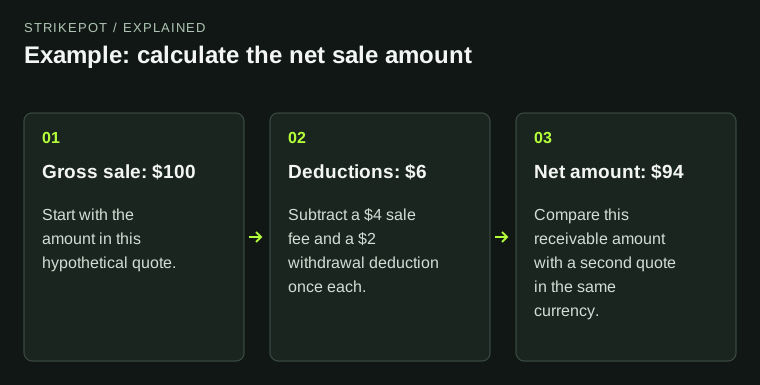
Suppose a fictional appraisal is 100 units and the seller asks 94. The ask is 6% below that model estimate. It does not establish a six-unit profit, a buyer willing to pay 100, or the net amount after selling and payout costs.
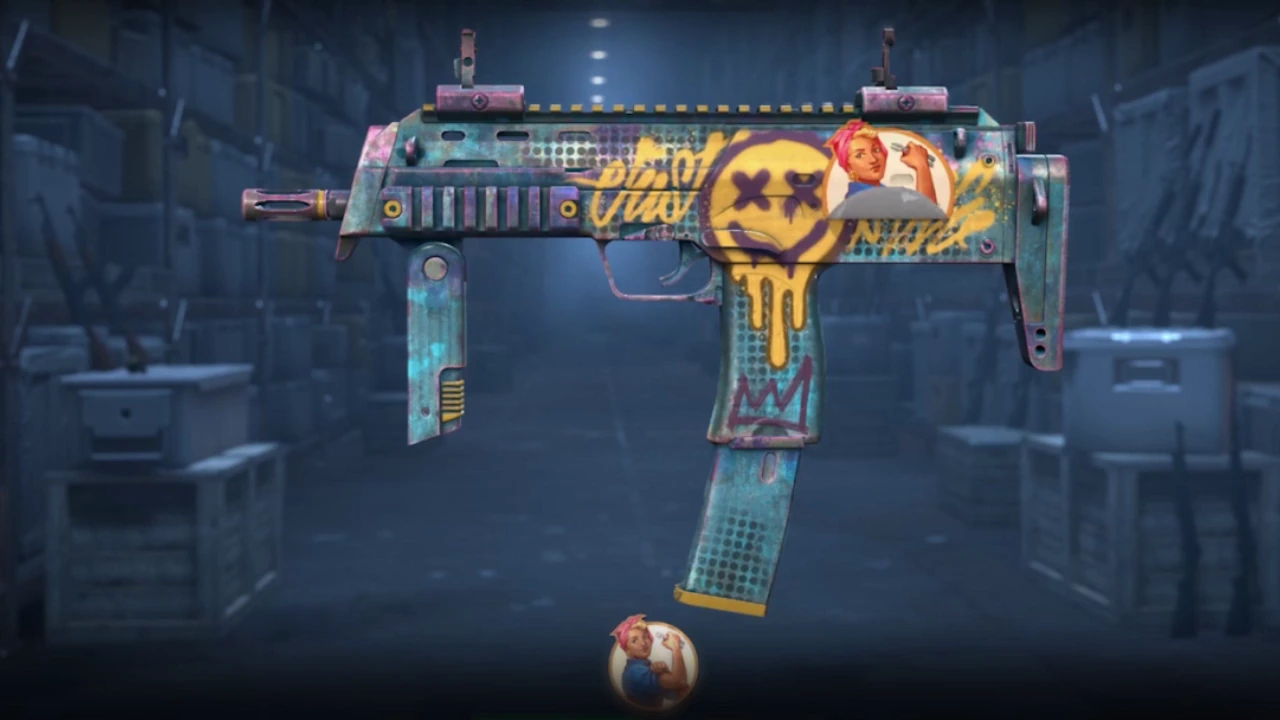
If an unusual craft is the reason for the price, compare suitable completed examples rather than adding the full retail value of every sticker. Record the evidence and uncertainty instead of turning the estimate into a guaranteed resale target.
05
Save the estimate and your reasons together
Keep the listing, appraisal amount, reference date, exact float/pattern/extras and any suitable sale comparisons. If you decide a listing is unusual, say which attribute makes the comparison less reliable.
The guide helps interpret the published model; it does not issue a price target. Recheck the actual quote and item at the point of any transaction.
BEFORE YOU CONTINUE
Quick checklist
- Label ask, estimate and sold price separately.
- Keep the model explanation’s date.
- Check valuable extras beyond the reference.
- Do not calculate profit from a discount badge.
Official sources
Official public documentation reviewed on 26 October 2026 (America/Toronto).
- CSFloat — Introducing Float Appraiser · reviewed
The model explanation is dated 2 October 2023. Launch exclusions are stated historically; a newer 2026 specification was not found, and current model performance was not tested. All monetary examples are fictional. This is interpretation of published methodology, not a guaranteed valuation or return.